Japan manners without panic: check the place, not a stereotype
Checked against 10 official sources. 8 minute read.
What to know first
You don't need to tip in Japan: the price shown or agreed is what you pay. Most everyday manners come down to sharing space well. Follow the queue and let people off trains first, keep calls and device sound off, keep bags out of the way, take your shoes off where the entrance or staff tell you to, and wash before you get into an onsen. If a local sign or staff instruction differs from general advice, follow the place you're in; if you make a mistake, a brief “sumimasen” and putting it right is enough.
Conditions to check
- A stated table or service charge is different from a tip; private guides accustomed to it may accept a discreet gratuity, but it is not expected.
- Quiet conversation is acceptable on transport, and shared priority space needs consideration.
- Ask before deliberately photographing an individual, and respect refusal, private boundaries and no-photo signs.
- Confirm the exact facility's permission for tattoos, shared bathing and any private-bath option.
- Tipping
- Not common in bars, cafés, restaurants, taxis and hotels
- Prices shown to consumers
- Must include tax; standard rate 10%
- Regular taxi capacity
- Up to 4 people
On this page
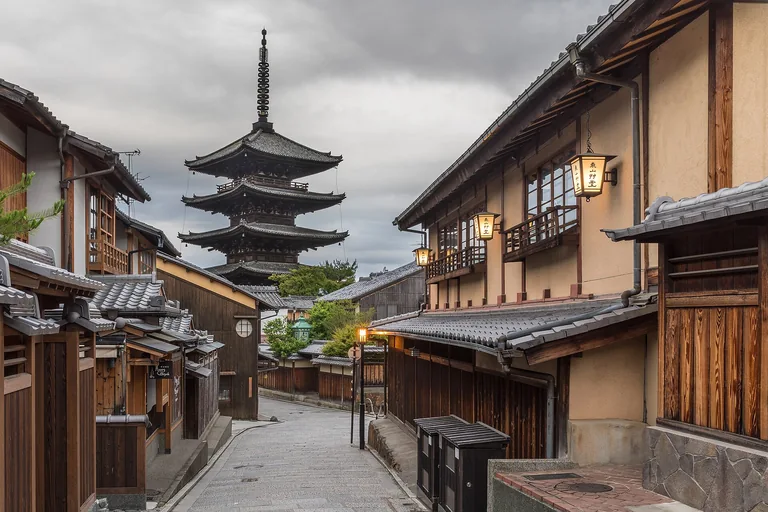
,_Kyoto,_Japan.jpg)
Conditions that change the answer
- Best for
- First-time visitors with questions about tipping, trains, photos, shoes, dining, public baths, or tattoos.
- When it's not worth it
- You need a legal interpretation or a same-day admission decision for one attraction; this guide covers general manners.
Choose by traveller type
- Check the setting first
- Read the sign → Consider others nearby → Follow the venue's policy → Ask before you act
- What a generic checklist misses
- A viral rules list cannot account for updated signs, private property lines, individual tattoo policies, or special service exceptions.
Three clear rules so local etiquette does not turn into folklore
Start with where the rule comes from
If columns are cut off, scroll sideways. Keyboard: focus the table, then use Left/Right Arrow keys.
| Level | How to recognise it | What to do | Example |
|---|---|---|---|
| Posted guidelines or staff instructions | Sign, barrier, ticket term, announcement or direct instruction | Follow venue rules even if other places did things differently | No photography, no shoes, keep out, wait in line |
| Shared-space etiquette | Mindful habits that respect others' space, time, and quiet | Observe, leave room and reduce obstruction | Let passengers off, lower your voice, and keep luggage out of the way |
| Optional etiquette | A welcome gesture in some settings, but never a standard fee | Do not force it; ask when the exact service is exceptional | A gratuity for an accustomed private guide |
Japan Tourism Agency guidance starts with impact: respect people, private property, cultural assets, paths and local waste rules. That baseline travels better than a list of theatrical gestures.
Your situation, and what to do
If columns are cut off, scroll sideways. Keyboard: focus the table, then use Left/Right Arrow keys.
| Your situation | What to do |
|---|---|
| On a train or bus | Queue where the markings show, let passengers off first, keep calls off and voices low, use headphones, and keep bags out of the walkway. |
| At a restaurant | Pay the bill as shown: prices include consumption tax, a stated service or table charge is already on it, and there is no tip. Arrive at the booked time, or contact the venue if you are late. |
| At a shrine, temple or museum | Follow no-photo, no-flash and staff instructions, stay behind barriers and on paths, and take your shoes off where a raised floor, shoe rack or sign marks it. |
| At an onsen | Undress in the changing room, wash and rinse before you get in, keep your towel and long hair out of the water and your phone out of the bathing area. |
| You have a tattoo and want to bathe | Check that exact facility's tattoo rule before you book or pay. A facility that accepts tattoos, an accepted cover sheet, a private charter bath or a room with its own bath may work. |
| Paying a taxi or a hotel | Pay what the meter or bill shows: JNTO says tipping isn't customary. A regular taxi takes up to 4 passengers. |
| A private guide did exceptional work | A guide used to overseas practice may accept a discreet gratuity, but it is not expected. |
| Your suitcase totals 160 cm or more | On the Tokaido, Sanyo and Kyushu Shinkansen, book a seat with an oversized-baggage area when you buy the ticket. It is free; without it you pay ¥1,000 on board. |
| You made a mistake | Stop, follow the sign or staff instruction, say a brief “sumimasen” and carry on. |
Tipping in Japan: just pay the bill, unless extra fees are stated
JNTO says tipping is not common in bars, cafes, restaurants, taxis and hotels. Do not leave loose cash, insist that staff take it or treat a service charge as a tip you must duplicate.
A private guide or interpreter accustomed to overseas practice may accept a discreet gratuity, but JNTO still says it is not expected. Check what the booked service includes and ask the provider if the situation is unclear.
On trains and buses, keep walkways clear, voices low, and mind personal space
- 01
Follow the queue markings
Stand where the platform or stop indicates and let passengers leave before moving in.
- 02
Keep noise down
Keep conversation low, avoid phone calls and use headphones. An operator announcement overrides a general habit.
- 03
Control bags and seats
Keep backpacks and luggage out of the flow, and leave priority seating available to people who need it.
The goal is not absolute silence. It is to avoid making another passenger manage your call, bag, body position or boarding timing.
Check the person, place and path before taking a photo
- Person: ask before photographing someone who is identifiable, including staff and other customers.
- Place: follow no-photo, no-flash, no-video and staff instructions at shrines, temples, museums and shops.
- Private property: a scenic lane, field or doorway may still be private. Stay behind barriers and on designated paths.
- Path: do not block a walkway, platform or road, and never enter traffic or railway space for the frame.
Shoes, dining, and reservations all rely on clear, visible cues
- Shoes
- Look for a raised floor, shoe rack, slippers, entrance sign or staff cue. Remove shoes there, not in every building that looks traditional.
- Dining
- Follow the restaurant's format. Keep outside food out unless permitted, use the supplied setup and ask before changing a shared dish or photographing people nearby.
- Reservations
- Arrive at the stated time. If delayed or unable to attend, contact the venue through its published channel instead of silently abandoning the booking.
Staying at a ryokan? See booking your first ryokan for dinner times, diet requests, private baths and per-person prices.
Onsen etiquette and tattoo access are two separate checks
The bathing procedure is straightforward: undress in the changing area, wash and rinse before entering, keep towels and long hair out of the water, speak softly and leave the phone outside the bathing area.
Admission is separate. JNTO says tattoo policies vary among facilities and owners. Check the exact onsen, sento, hotel bath, pool or gym before booking. Do not assume that a small tattoo, cover sheet or previous acceptance guarantees entry elsewhere.
A facility that explicitly accepts tattoos, an accepted cover sheet, a private charter bath or a room with its own bath may solve the access question. Verify the option and any reservation condition with the property.
A small mistake needs a short recovery route
- 01
Stop what you are doing
Lower your phone, adjust your bag, or step aside.
- 02
Read or ask
Follow the sign, announcement or staff instruction that applies to this place.
- 03
Acknowledge and move on
A brief “sumimasen” and corrected behavior usually communicates more than a long defence.
Worked example: four moments from a first day, with the numbers
1. Shinkansen with a big suitcase
Your case measures 80 + 55 + 32 cm = 167 cm. On the Tokaido, Sanyo and Kyushu Shinkansen, luggage with total dimensions of 160–250 cm needs a seat with an oversized-baggage area. Booking it costs nothing extra; without the booking you pay ¥1,000 on board and the crew moves your bag. A 75 + 50 + 30 = 155 cm case doesn't need a booking, and anything over 250 cm can't come on board at all. This is etiquette as well as a rule: the reserved space keeps the aisle and doors clear.
2. Taxi from the station
The meter shows ¥1,480. You pay ¥1,480. JNTO says tipping isn't customary in taxis, restaurants, bars, cafés or hotels. A regular taxi takes up to 4 passengers, plus the luggage that fits in the boot.
3. Dinner
Prices shown to consumers must include consumption tax (National Tax Agency rule; standard rate 10%). Two set meals listed at ¥2,750 each come to ¥5,500, and that's the bill. If the menu states a service or table charge, it's already on the bill. Don't add a tip on top or leave extra cash on the table.
4. Onsen
No money is involved, but the order matters: undress in the changing room, wash and rinse at the shower stools, then get in. Keep your towel and long hair out of the water and your phone out of the bathing area. Tattoo rules belong to each facility, so check before you pay.
Result: on a day like this, the only money question is the ¥1,000 baggage fee, and you avoid it by booking the right seat.
Key facts: baggage, prices, tipping and taxis
Checked on 11 October 2026
If columns are cut off, scroll sideways. Keyboard: focus the table, then use Left/Right Arrow keys.
| Fact | Value | As of | Source |
|---|---|---|---|
| Shinkansen oversized baggage needing a reservation | Total 160–250 cm; reservation free; ¥1,000 without; over 250 cm not allowed | Checked 11 October 2026 | JR Central |
| Tax-inclusive price display | Required whenever a business shows prices to consumers in advance; standard rate 10% | Law as of 1 April 2026 | National Tax Agency |
| Tipping | Not common in bars, cafés, restaurants, taxis and hotels | Checked 11 October 2026 | JNTO |
| Regular taxi capacity | Up to 4 people | Checked 11 October 2026 | JNTO |
5 Essential Checks Before Visiting Venues with Entry or Accessibility Rules
- Read the venue's current entry and photography page.
- Check whether tattoos are permitted at the specific facility you plan to visit.
- Check rules for footwear, attire, bathing, and equipment.
- Save the arrival time and the provider's contact route.
- Keep an alternative when a facility condition is unresolved.
Your next step: before your first onsen
- Look up the facility's tattoo rule before you book. If tattoos aren't accepted, choose a facility that accepts them, a private charter bath or a room with its own bath.
- At the entrance, take your shoes off where the shoe rack or raised floor starts.
- In the changing room, undress and leave your phone outside the bathing area.
- Wash and rinse at the shower stools before you get into the bath.
- In the bath, keep your towel and long hair out of the water and speak softly.
Your next decision
- Verify accessibility, identity, food or equipment conditions
- Check your total bill amount separately from your backup payment options
- Keep mobile data active for live venue signs and updates
- Check how a missed service is handled when filing an insurance claim
- See how changing visitor guidance is maintained
Want to see a sumo tournament? See sumo tickets for the 2027 tournaments: January 2027 tickets go on sale on 5 December 2026.
Japan etiquette FAQ
Do tourists tip in Japan?
Not as a routine addition. JNTO says tipping is not common in bars, cafes, restaurants, taxis and hotels. A private guide or interpreter accustomed to overseas practice may accept a discreet gratuity, but it is not expected.
Is talking on trains considered rude in Japan?
Quiet conversation is welcome, but avoid phone calls or speaker audio. Keep voices low, wear headphones, and follow any staff or on-board announcements.
Can I photograph people in public in Japan?
Ask before photographing an identifiable person. Also check venue signs, stay off private property and do not block paths or enter traffic for a picture.
Do I always remove my shoes in Japan?
No. Remove them where the entrance, raised floor, shoe rack, slippers or staff instruction marks a no-shoe area. Do not guess from the building type alone.
Can I use an onsen if I have a tattoo?
Yes at Kinosaki Onsen’s public bathhouses: the official tourism site allows tattoos of any size without covers. Its accommodation baths can have different rules, so the public-bath permission does not cover your ryokan’s bath. Elsewhere, choose a facility with an explicit tattoo policy or a private bath whose conditions fit you. Checked 11 October 2026; tattoo permission does not mean every bathhouse is open on your date.
What should I do after an etiquette mistake?
Stop what you are doing, follow the sign or staff direction, give a brief apology and continue. One corrected mistake does not require a long explanation.
Questions about this guide
Do I pay a fee for a big suitcase on the Shinkansen?
Only if you don't reserve. On the Tokaido, Sanyo and Kyushu Shinkansen, luggage of 160–250 cm in total (length + width + height) needs a seat with an oversized-baggage area, which costs nothing extra to book. Without the booking you pay ¥1,000 on board. Luggage over 250 cm isn't allowed at all (JR Central, checked 8 October 2026).
Is tax included in restaurant prices in Japan?
Yes. Prices shown to consumers in advance must include consumption tax (National Tax Agency; standard rate 10%), so two set meals listed at ¥2,750 come to ¥5,500. A service or table charge stated on the menu is already part of the bill, and you don't add a tip.
How many people can ride in a regular taxi in Japan?
Up to 4 passengers in a regular taxi, according to JNTO, plus the luggage that fits in the boot. Pay what the meter shows: tipping isn't customary in taxis. For five or more people, or several large cases, ask for a larger (jumbo) taxi or take two.
What is the bathing order at a Japanese onsen?
Undress in the changing room, wash and rinse at the shower stools, then get into the bath. Keep your towel and long hair out of the water and your phone out of the bathing area. Tattoo rules are set by each facility, so check before you pay.
Read next
- Hanami on the day: park rules, fees and night viewing for cherry blossom 2027
- Where to throw away rubbish in JapanWhy Japan has so few bins, where to find them (konbini, vending machines, your hotel), what the sorting labels mean, and a day plan for your rubbish.
- Visiting temples and shrines in Japan: what to do, what it costs and what not to photographHow to purify, pray and collect goshuin stamps, when to take shoes off, photo and tripod rules, and a costed Kyoto–Nara temple day.
Sources and how this guide was checked
About this guide
You do not need to perform a perfect version of Japan. Read the sign, protect other people's space and ask when a venue rule decides the answer.
How we checked this guide
How we checked this
Which manners are fixed, and which depend on the place
It helps to think beyond polite vs. impolite: distinguish between posted rules, common shared-space habits, and optional courtesies that vary by venue.
If columns are cut off, scroll sideways. Keyboard: focus the table, then use Left/Right Arrow keys.
| Question | What we found | Where it comes from | What this means for your trip |
|---|---|---|---|
| What are the baseline etiquette rules across Japan? | Learn the destination's rules, stay off private property, photograph considerately, avoid obstructing crowded places, protect cultural assets and handle waste responsibly. | Japan Tourism Agency visitor guidance | The traveller starts from visible local impact instead of memorising stereotypes. |
| Is a tip normally added in Japan? | JNTO says tipping is not common in bars, cafes, restaurants, taxis and hotels; an accustomed private guide or interpreter is a conditional exception, not a new default. | JNTO tipping guidance | Pay the invoiced amount and confirm unique services individually, rather than offering extra cash on everyday transactions. |
| What to keep in mind on trains and buses? | Follow queue markings, let passengers move, keep calls and device sound off, control bags and preserve priority seating for people who need it. | Official JNTO public transit guide | The traveller protects flow and space without treating silence as an absolute social test. |
| When should the camera stay down? | Ask before photographing identifiable people, obey venue signs, avoid private or protected areas and never block movement or enter traffic for the shot. | JTA and JNTO photography guidance | The traveller checks the subject, place and physical position before taking the photo. |
| What should be checked before using a public bath? | Wash before entering, keep towels and hair out of the water, leave the phone outside and follow the exact facility's tattoo and bathing rules. | JNTO onsen and facility-variation guidance | Ask about the facility's tattoo rule before paying for your room. |
| What is the fastest way to get back on track if you are unsure? | Stop, read the sign, observe the flow and ask staff; if corrected, continue without turning one mistake into a claim about every Japanese setting. | Review national standards together with venue-specific policies | You'll know how to navigate situations smoothly, even when standard etiquette guides don't cover them. |
Based on official sources, linked below.
Official sources and what each confirms
Checked by situation
Official sources
Facility rules, signs and visitor guidance can change. Recheck the exact venue when admission or a paid booking depends on it.
- Japan Tourism Agency: Travel Etiquette for the Future
What this confirms: Visitors are expected to observe local guidelines, stay off private property, take photos thoughtfully, avoid blocking pathways with oversized luggage, preserve cultural heritage, and dispose of trash responsibly.
Last checked - JNTO: Japanese customs and etiquette
What this confirms: The practical baseline is consideration for others: following signs and queues, arriving on time, checking shoe boundaries, and keeping public-transport conversations and luggage unobtrusive.
Last checked - JNTO: tipping in Japan
What this confirms: Tips are not commonly given in bars, cafes, restaurants, taxis and hotels; a private guide or interpreter accustomed to overseas practice may accept a discreet gratuity, but it is not expected.
Last checked - JNTO: traveling comfortably
What this confirms: Passengers should follow platform queue markings, let movement flow, avoid calls and device sound, manage backpacks and luggage, and keep priority seating available to people who need it.
Last checked - JNTO: responsible photography
What this confirms: Ask permission before photographing recognizable people, observe venue rules, keep off private property and protected areas, and never block paths or step into traffic for a shot.
Last checked - JNTO: how to enjoy an onsen
What this confirms: Public-bath preparation includes washing before entering, keeping towels and hair out of the water, leaving phones outside and checking the exact facility's tattoo policy; private baths are a possible alternative.
Last checked - JNTO: everyday etiquette without rigid formulas
What this confirms: Dining and facility practices vary by setting, and tattoo admission differs among hot springs, bathhouses, pools, gyms and individual owners; advance confirmation is safer than a universal assumption.
Last checked - JR Central: oversized baggage on the Shinkansen
What this confirms: Luggage with total dimensions of 160–250 cm needs a seat with an oversized-baggage area on the Tokaido, Sanyo and Kyushu Shinkansen; the reservation is free, ¥1,000 is charged without it, and luggage over 250 cm isn't allowed.
Last checked - National Tax Agency: tax-inclusive price display (Japanese)
What this confirms: Businesses that show prices to consumers in advance must show the tax-inclusive price; the standard consumption-tax rate is 10%.
Last checked - Visit Kinosaki: tattoo policy for public and accommodation baths
What this confirms: Kinosaki’s public bathhouses accept tattoos of any size without covers. Accommodation baths may have different policies. This establishes tattoo permission, not an open bathhouse or a nationwide rule.
Last checked
Review dates and complete update history
Guide updates Reviewed
When this guide was checked and what changed
- First published
- Last checked
- Check again by
- What we checked
- JR Central's oversized-baggage rule, the National Tax Agency's price-display rule and JNTO's tipping and taxi guidance were checked on 8 October 2026. Other transport, photography and bathing sources keep their listed checks.
- Latest update
- : Rechecked on 11 October 2026: the dated facts in this guide were compared with their primary sources (the per-source dates and the review date stay as they were until the source list is updated). Nothing had changed.
The date above reflects when these checks were last run. If an individual source was rechecked later, you’ll see that date next to it below. Other copy edits are listed in the update history.
Who edits this guide
One editor looks after this guide
Japan, Booked. is run and edited from Japan. The same editor checks the Japanese and English sources, writes the traveller-facing guidance and keeps the correction history up to date.
What changed
Update history
- Scheduled recheck
Rechecked on 11 October 2026: the dated facts in this guide were compared with their primary sources (the per-source dates and the review date stay as they were until the source list is updated). Nothing had changed.
- Situation table and next step
Added a “your situation, what to do” table and a numbered next step, using only facts already in this guide. No facts were rechecked, so the review date is unchanged.
- Added a worked example and key facts
Added a worked example of four first-day moments with the numbers (Shinkansen baggage fee, taxi, dinner bill and onsen order), key facts, and an English question set that no longer repeats the on-page FAQ.
- Published our scene-by-scene Japan etiquette guide
Published a place-first etiquette guide separating posted rules, shared-space habits, and optional customs across tipping, transport, photography, shoes, and public baths.
If an operator, organiser or product changes in a way that affects the guide, we check it again sooner. Reader reports help us spot what to investigate, and we verify them against current official information before publishing. Read our update and corrections policy. See every guide's review schedule. Suggest an improvement to this guide.