Japan Rail Pass or individual tickets?
Checked against 10 official sources. 14 minute read.
What to know first
For most first trips, individual tickets are cheaper. A 7-day Ordinary Japan Rail Pass costs ¥50,000 on the official site (¥53,000 through an overseas agency), and a Tokyo–Kyoto–Osaka round trip from Narita, with a Nara day trip, comes to about ¥37,000 in full-price JR fares. The pass usually pays only when you cover ¥50,000 or more of JR travel within seven consecutive days, such as a Tokyo–Kanazawa–Kyoto–Hiroshima–Tokyo loop. Confirm your Temporary Visitor eligibility first (normally a passport stamp, or the qualifying registered-user-card route), compare the same travellers, dates and seat class, and add the separate pass-holder ticket if you want Nozomi or Mizuho.
- 7-day Ordinary pass
- ¥50,000 through the official online route¥53,000 as an overseas-agency Exchange Order
- Who can use it
- Visitors who meet the Temporary Visitor eligibility rulesEligibility and documents are checked when you collect or exchange the pass
- Not included
- Nozomi and Mizuho trainsThey need a separate pass-holder ticket bought before boarding
Official link. We earn nothing from it.
On this page
Which pass decision fits your trip?
| Your situation | What to do |
|---|---|
| Tokyo–Kyoto–Osaka round trip | Tokyo to Kyoto or Osaka and back within a week, plus local hops: buy individual tickets. The round trip is about ¥29,000 in Nozomi fares, well under the ¥50,000 7-day pass (Example 1). |
| One-way trip with Hiroshima | One way from Tokyo to Kyoto, a Hiroshima day trip, then flying out of Kansai: buy individual tickets, unless you add one more long JR journey that week. It comes to about ¥46,000 against ¥50,000, a close call (Example 2). |
| Several long JR journeys in one week | A loop of four or more long JR legs inside 7 days, such as Tokyo–Kanazawa–Kyoto–Hiroshima–Tokyo: buy a 7-day pass for those 7 days and ride Hikari and Sakura, not Nozomi. It saves about ¥6,700 online (Example 3). |
| A longer stay with one busy travel week | A 14-day trip with the busy travel concentrated in one week: price a 7-day pass for the busy week before a 14-day pass. The 14-day pass is ¥80,000, and in Example 3 it loses by ¥17,020. |
| Tokyo-based day trips | A Tokyo base with day trips to Nikko, Kamakura or Hakone: buy individual tickets, or a regional pass such as the JR TOKYO Wide Pass (¥16,000 for 3 days). The full fares in Example 4 (¥27,560) are about half the 7-day pass price. The Tokyo Wide Pass doesn't cover the Tokaido Shinkansen. |
| Nozomi or Mizuho on every long journey | You insist on Nozomi or Mizuho on every long leg: add the pass-holder ticket to the pass price, ¥4,960 for Tokyo–Kyoto or Shin-Osaka and ¥6,500 for Tokyo–Hiroshima. These tickets often wipe out the saving. |
| No Temporary Visitor entry stamp | You will pass the airport's automated gate and won't get a passport stamp: ask for a “Temporary Visitor” stamp at a staffed booth unless you can use the qualifying registered-user-card route. Do not buy a pass without the required entry-status proof. Temporary Visitor status still has to be proved at exchange or collection; the official conditions describe a qualifying Trusted Traveler registered-user-card route as well. |
| Another residence status | If you are a foreign visitor entering Japan under a status other than Temporary Visitor, you do not qualify through the foreign-tourist route. Japanese citizens living abroad have separate eligibility and document requirements; check the official eligibility page for the route that applies to you. |
Sources for this section: JAPAN RAIL PASS: types, prices and purchase-channel dates · JAPAN RAIL PASS: eligibility for use · JAPAN RAIL PASS: pass-holder Nozomi/Mizuho ticket · JR East: JR TOKYO Wide Pass
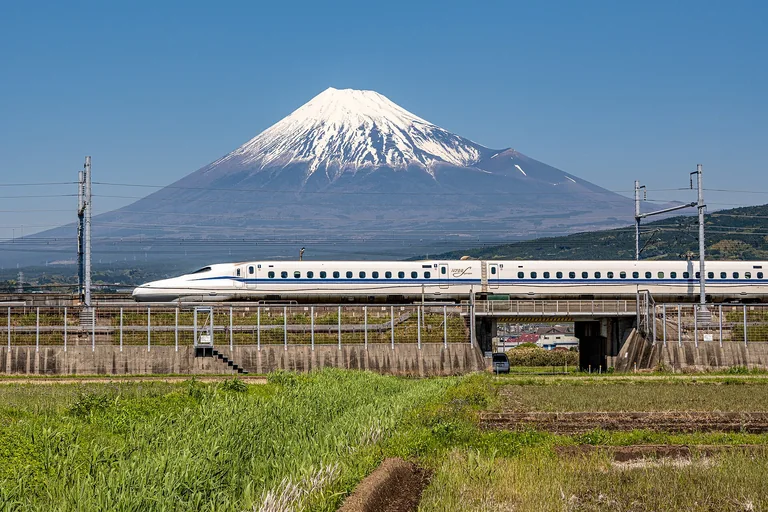

Side-by-side comparison
| Check | Japan Rail Pass | Individual tickets |
|---|---|---|
| Eligibility | Meet the pass’s document and collection rules. | Pass eligibility does not apply. |
| Cost | Keep track of duration, seat class, purchase platform, and the quote date. | Add only journeys you actually intend to take. |
| Coverage | Check route exceptions and required supplements. | Check each route, service and seat type. |
| Nozomi / Mizuho | Buy a separate pass-holder ticket before boarding and use it with a valid pass for the ticketed section and facility. | Check the product for the selected service. |
When it makes sense
Consider the pass only after verifying your eligibility and confirming it covers your planned routes. Keep the appeal of flexible convenience separate from actual cost savings.
When to skip
Skip the assumption of savings when it depends on extra or uncertain journeys. Resolve eligibility, coverage and quotes before buying.
Compare total costs for the exact same trip
Keep passenger counts, travel dates, seat classes, and key routes identical across both options. Base fares are only a starting point—calculate the total cost for the whole group across the entire journey, including any required surcharges or non-covered legs. If any fee is unconfirmed, leave it marked as unknown rather than entering zero.
Compare the complete cost of two rail options
Bring two quotes, not two headline prices
Use the same passenger breakdown (adults and children), travel dates, class, and essential journeys on both sides. Note any per-day, per-person, or per-pass headline price for reference, but compare the whole-trip total here.
Leave required extras blank until confirmed. Enter 0 only once you’ve verified that no surcharge applies. Include any pass-holder supplements or costs for lines your pass does not cover.
Numbers stay in this tab. Nothing is saved to an account, sent to a provider or added to your trip. A changed field clears the old comparison.
Which statements match your trip?
Start with your route, not the pass
Compare only journeys you genuinely intend to take. Write down the travel date, stations, preferred service and seat type for each one. Then compare the total cost and practical constraints of individual tickets with the pass that covers those exact journeys. Do not add a distant stop just to make a pass appear to pay for itself.
This guide offers a comparison framework rather than a live fare calculator. It cannot check your pass eligibility, real-time seat availability, or unconfirmed legs of your itinerary. Keep optional side trips in a separate column so you can see if the pass still makes sense without them.
Check eligibility before calculating savings
Pass eligibility and required documents are checked at pickup or exchange. Online purchase or an Exchange Order alone does not guarantee pass issuance. If you are a foreign visitor entering Japan under a status other than Temporary Visitor, you do not qualify through the foreign-tourist route. Japanese citizens living abroad have separate eligibility and document requirements; check the official eligibility page for the route that applies to you.
Sources for this section: JAPAN RAIL PASS: eligibility for use
Use the right price for the purchase channel and date
The official price page distinguishes direct online purchases from Exchange Orders bought through overseas travel agencies. The agency-rate revision took effect on 1 October 2026 based on the local purchase date. The current adult Ordinary 7-day price is ¥53,000 for an overseas-agency Exchange Order, compared with ¥50,000 when bought through the official online route. The final fare depends on where and when you buy. When comparing quotes, match the exact duration and seating class, and record both the sales channel and the quote date. The worked examples below use official fares checked on 11 October 2026; they are not live prices.
Create two totals. The essential total includes only necessary journeys; the optional total adds outings you may still remove. Beside each amount, record the currency, quote date and what is included. Leave still unconfirmed fares blank rather than silently substituting a headline price.
Sources for this section: JAPAN RAIL PASS: types, prices and purchase-channel dates · JR Group notice (hosted by JR Central): JR Pass price revision
Coverage depends on your specific route and train
The national Japan Rail Pass has explicit route exceptions. Under its official coverage rules, riding Nozomi and Mizuho trains requires a separate pass-holder ticket purchased before boarding and used alongside a valid pass for the exact section and class shown on that ticket; traveling over non-JR track sections may also incur extra fares or surcharges. Under the pass’s conditions of use, private compartments and GranClass have separate additional-charge conditions. TRAIN DESK, S Work and child-travel cars are not covered by the pass; obtain the separate tickets and charges needed for the selected service. Additionally, note that visible open seats do not guarantee that a reserved seat ticket can be issued.
Coverage key
Mark each leg of your route as fully covered, extra payment required, not covered, or not yet checked. Include the exact departure and arrival stations and train name. Never assume pass coverage from the train’s livery, a booking app’s flat fare, or the fact that part of the journey uses JR lines.
Sources for this section: JAPAN RAIL PASS: scope of validity · JAPAN RAIL PASS: conditions for use
Where do I reserve seats with the pass?
The pass alone doesn't hold a seat. Book one before boarding at a reserved-seat ticket machine, a JR ticket office (Midori-no-madoguchi) or a Travel Service Center, or on JAPAN RAIL PASS Reservation if you bought the pass there. Some trains, such as the Narita Express and Hayabusa, have no non-reserved seats.
Sources for this section: JAPAN RAIL PASS: conditions for use
Does the pass cover airport trains and the Tokyo subway?
It covers JR airport trains such as the Narita Express and Haruka, and the Tokyo Monorail to Haneda. It doesn't cover Tokyo Metro, Toei subways, the Keisei Skyliner, Keikyu or other private railways: pay those fares separately, by IC card or ticket.
Sources for this section: JAPAN RAIL PASS: conditions for use
Compare the usable schedule as well as the cost
A cheaper option is not automatically a better fit. Compare how the selected services work with accommodation entry, luggage handoffs and fixed visits. If a pass-based option requires an earlier departure or a different connection, place that change beside the price rather than hiding it in a footnote.
Use a straightforward checklist to compare: confirmed required fares, pass purchase cost, uncovered route segments, mandatory seat or express supplements, and pending travel details. Until every category is filled in, cost differences remain estimates. Avoid assigning monetary value to time savings, schedule flexibility, or riding comfort unless those are your own clear personal preferences.
Test the plan without the uncertain journey
Remove the least certain long-distance journey and compare again. A plan that only favours the pass after assuming an unbooked excursion is fragile. Conversely, a pass may still suit your preference even without a financial saving; label that as a convenience choice rather than claiming a discount.
Before paying
Before paying, check your chosen product's rules for changes, cancellations, pickup and seat reservations. Keep the confirmation records for your selected pass securely for your own reference. General pass guides cannot replace the official terms that apply to your purchase.
Keep open questions handy instead of assuming a final answer
Keep a quick note in your personal planner: record the exact trip or product, date, contact details, and any open questions. This note tracks your own planning, not provider approval. Recheck details if your plans change; this guide does not monitor status, book seats, or provide official confirmations.
Before payment, compare the chosen product with your essential-journey list, the purchase-channel price shown for the actual date, and any Nozomi/Mizuho or non-JR supplement. Save the exact still unconfirmed fare or eligibility question. A note about a missing answer does not make the estimate final or reserve a seat.
Sources for this section: JAPAN RAIL PASS: types, prices and purchase-channel dates · JAPAN RAIL PASS: scope of validity
Worked examples: pass or individual tickets?
These four routes are ones that first-time visitors actually book. Each is priced for one adult in an ordinary reserved seat, using full-price, regular-season JR fares (basic fare plus limited express charge) from JR West's official fare search for a sample travel date of 15 October 2026. Each is set against the official Japan Rail Pass prices: ¥50,000 for 7 days and ¥80,000 for 14 days online, or ¥53,000 and ¥84,000 through an overseas agency. Reserved charges can be a few hundred yen higher on peak dates, and online discounts such as smartEX or e5489 can bring fares lower. Full fares are the most generous case for the pass, so a pass that loses here loses by more once you book discounted tickets. These are official fares checked on 11 October 2026, not live prices.
Pass conditions
The pass doesn't cover any seat on Nozomi or Mizuho trains. Ride Hikari, Sakura or Kodama at no extra cost, or buy the pass-holder Nozomi/Mizuho ticket before boarding, once per journey: ¥4,960 from Tokyo to Kyoto or Shin-Osaka, ¥4,170 from Kyoto or Shin-Osaka to Hiroshima and ¥6,500 from Tokyo to Hiroshima (adult; the quoted price is the same for reserved, non-reserved and Green, but Green use requires a Green Japan Rail Pass). The individual fares below assume Nozomi, because that is what you would book without a pass. Airport trains count only where the pass covers them: Narita Express (N'EX) and Haruka are JR limited expresses, the Tokyo Monorail from Haneda is covered but too cheap to change any result, and Keikyu is not covered.
Example 1
Example 1: 7 days, Tokyo – Kyoto – Osaka, flying in and out of Narita, with a Nara day trip. Narita Airport to Tokyo by N'EX ¥3,140; Tokyo to Kyoto by Nozomi ¥14,170; Kyoto to Nara and back on the JR Nara Line ¥1,440 (¥720 each way); Kyoto to Osaka by JR Special Rapid ¥580; Shin-Osaka to Tokyo by Nozomi ¥14,720; Tokyo to Narita Airport by N'EX ¥3,140. Individual tickets total ¥37,190, against ¥50,000 for a 7-day pass online or ¥53,000 through an agency, plus ¥9,920 if you want Nozomi both ways with the pass. result: individual tickets. The pass costs ¥12,810 more online (¥15,810 through an agency), before any Nozomi tickets.
Example 2
Example 2: 7 days, Tokyo → Kyoto → a Hiroshima and Miyajima day trip → Osaka, flying out of Kansai Airport. Narita Airport to Tokyo by N'EX ¥3,140; Tokyo to Kyoto by Nozomi ¥14,170; Kyoto to Hiroshima by Nozomi ¥11,940 and back ¥11,940; Hiroshima to Miyajimaguchi and back on the JR Sanyo Line ¥840; the JR Miyajima Ferry both ways ¥400; Kyoto to Osaka ¥580; Shin-Osaka to Kansai Airport by Haruka ¥3,070. Individual tickets total ¥46,080 against ¥50,000 or ¥53,000 for the pass, plus ¥13,300 for Nozomi on all three long legs. The ¥100 Miyajima Visitor Tax is payable either way, so it is left out. result: individual tickets, but it is close: the pass costs ¥3,920 more online and ¥6,920 more through an agency. Add one more long JR journey in the same week and the pass becomes worth considering, if you are happy to ride Hikari and Sakura rather than Nozomi.
Example 3
Example 3: 14 days, Tokyo – Kanazawa – Kyoto – Hiroshima – Tokyo, flying in and out of Narita. Narita Airport to Tokyo ¥3,140; Tokyo to Kanazawa by Kagayaki or Hakutaka ¥14,600; Kanazawa to Kyoto by Tsurugi and Thunderbird via Tsuruga ¥7,720; a Nara day trip ¥1,440; Kyoto to Hiroshima by Nozomi ¥11,940; Hiroshima to Miyajima and back ¥1,240; Hiroshima to Tokyo by Nozomi ¥19,760; Tokyo to Narita Airport ¥3,140. Individual tickets total ¥62,980, so the 14-day pass (¥80,000 online, ¥84,000 through an agency) loses by ¥17,020. A 7-day pass timed to the middle of the trip can win: if everything from Tokyo → Kanazawa (say day 6) to Hiroshima → Tokyo (day 12) falls within seven consecutive days, those legs come to ¥56,700 at full fare, while a 7-day pass plus separate N'EX tickets (¥6,280) totals ¥56,280 online or ¥59,280 through an agency.
That saving depends on skipping Nozomi. The pass-holder tickets for Kyoto → Hiroshima (¥4,170) and Hiroshima → Tokyo (¥6,500) would push the pass option to ¥66,950, more than individual tickets, and without Nozomi the trip from Hiroshima back to Tokyo usually means changing trains. result: a pass is worth considering, but choose the 7-day pass, not the 14-day pass, and only if you will ride Hikari and Sakura on the long Sanyo and Tokaido legs. You would save ¥6,700 online or ¥3,700 through an agency.
Example 4
Example 4: 7 days in one Tokyo hotel with day trips to Nikko, Kamakura and Hakone, flying in and out of Narita. Narita Airport to Tokyo ¥3,140; Tokyo to Nikko and back by Tohoku Shinkansen to Utsunomiya and the JR Nikko Line ¥11,580 (¥5,790 each way); Tokyo to Kamakura and back on the JR Yokosuka Line ¥2,080; Tokyo to Odawara and back for Hakone by Kodama or Hikari ¥7,620; Tokyo to Narita Airport ¥3,140. Individual tickets total ¥27,560, so the 7-day pass costs nearly double. Everything beyond Odawara, including the Hakone Tozan line, cablecar, ropeway and boats, is run by private companies and costs the same with or without a JR Pass, as does the Tobu line to Nikko. result: individual tickets, or one of JR East's regional passes.
Family example
Example 1 for a family of two adults and a 9-year-old: the child pass is half price on the official site, ¥25,000 for 7 days (Ordinary), and child individual fares are also roughly half the adult fare, so the comparison barely moves. Three 7-day passes cost ¥125,000 (2 × ¥50,000 + ¥25,000), while individual tickets cost about ¥93,000 (2 × ¥37,190 plus about ¥18,600 for the child). result: individual tickets, by about ¥32,000. The child fare is our estimate at half the adult fare: JR Central halves child fares and limited express charges and rounds each down to the nearest ¥10.
A child under 6 who sits on your lap travels free. The JAPAN RAIL PASS site doesn't cover an under-6 who takes their own seat; under JR Central's ticket rules, an infant aged 1–5 who uses a reserved seat pays the child fare and charges. Buy that child a child ticket for reserved-seat journeys, or ask at a JR ticket office whether a child pass is the better buy.
Our judgement
Our judgement, not a JR rule: a 7-day pass needs about ¥50,000 of full-fare JR travel within seven consecutive days (¥53,000 through an overseas agency). Tokyo to Kyoto or Osaka and back comes to about ¥29,000 in Nozomi fares, well short of the pass price even with airport trains and local hops. A side trip to Hiroshima brings you close but usually not over the line. A long one-week loop such as Tokyo → Kanazawa → Kyoto → Hiroshima → Tokyo is where a 7-day pass starts to pay, while day trips from Tokyo never get close. On a 14-day trip, price a 7-day pass for your busiest week first. If you insist on Nozomi, add the pass-holder tickets; they can wipe out the saving.
Sources for this section: JR West: My Dia timetable and fare search · JAPAN RAIL PASS: types, prices and purchase-channel dates · JAPAN RAIL PASS: pass-holder Nozomi/Mizuho ticket · JAPAN RAIL PASS: scope of validity · JR Miyajima Ferry: fares · JR Central: adults, children, infants and babies
Your next step
1. List the journeys you are sure you will take, with the dates, passengers and seat class. Use the closest worked example to understand the comparison, then get quotes for your own trip.
2. Compare whole-trip totals for those same travellers and journeys. For the pass option, use the current price for each traveller's age category, pass duration, class and purchase channel, then add any required supplements and journeys outside its coverage or validity period. Compare that with the individual tickets you would actually buy. Keep uncertain costs marked as unknown.
3. Follow the next step for your choice. If you are considering a pass, confirm your eligibility and the required collection or exchange documents before paying. If you choose individual tickets, use our ticket-buying guide to find the seller and collection or boarding method for your route.
- closest worked example
- Compare whole-trip totals
- current price
- confirm your eligibility
- ticket-buying guide
Sources for this section: JAPAN RAIL PASS: types, prices and purchase-channel dates · JAPAN RAIL PASS: eligibility for use
Key facts and when we'll check them again
If columns are cut off, scroll sideways. Keyboard: focus the table, then use Left/Right Arrow keys.
| Official facts |
|---|
Ordinary passes bought on the official site: ¥50,000 for 7 days, ¥80,000 for 14 days and ¥100,000 for 21 days (child ¥25,000, ¥40,000 and ¥50,000); Green passes ¥70,000, ¥110,000 and ¥140,000. The JR Group's price-change notice says the online price stays unchanged only “for a limited time”, with the end date to be announced. Checked on 11 October 2026 on the JAPAN RAIL PASS price page and the JR Group notice hosted by JR Central; we'll check it again by 11 November 2026. |
Ordinary passes through an overseas-agency Exchange Order, since 1 October 2026: ¥53,000, ¥84,000 and ¥105,000 (child ¥27,000, ¥42,000 and ¥53,000; Green ¥74,000, ¥116,000 and ¥147,000). Checked on 11 October 2026 on the JAPAN RAIL PASS price page and the JR Group's revision notice; we'll check it again by 11 November 2026. |
The price that applies is the one shown when you pay online or when the Exchange Order is issued. The child pass is for ages 6–11 on the online payment date or Exchange Order issue date, and elementary pupils aged 12 count as adults. Checked on 11 October 2026; we'll check it again by 11 November 2026. |
Pass-holder Nozomi/Mizuho ticket: ¥4,960 for Tokyo–Kyoto or Shin-Osaka, ¥4,170 for Kyoto or Shin-Osaka–Hiroshima and ¥6,500 for Tokyo–Hiroshima, bought before boarding. Eligibility: foreign visitors with “Temporary Visitor” entry status; an automated gate normally gives no stamp, so ask for one when using passport proof or prepare the qualifying registered-user-card evidence. Both checked on 11 October 2026; we'll check them again by 11 November 2026. |
Refund before the pass starts: ¥560 per pass bought online, or 10% of the price for a pass exchanged from an overseas Exchange Order. Once the pass has started, disruption brings no extension and no refund, and JR doesn't pay hotel or alternative transport costs. Checked on 11 October 2026 in the pass's conditions of use; we'll check it again by 11 November 2026. |
JR TOKYO Wide Pass: ¥16,000 for adults and ¥8,000 for children, valid for 3 consecutive days and not valid on the Tokaido Shinkansen. Checked on 11 October 2026 on JR East's pass page; we'll check it again by 11 November 2026. |
Sources for this section: JAPAN RAIL PASS: types, prices and purchase-channel dates · JR Group notice (hosted by JR Central): JR Pass price revision · JAPAN RAIL PASS: pass-holder Nozomi/Mizuho ticket · JAPAN RAIL PASS: eligibility for use · JAPAN RAIL PASS: conditions for use · JR East: JR TOKYO Wide Pass
JR Pass vs individual tickets: compare your actual Japan itinerary
Is the Japan Rail Pass worth it for my itinerary?
Usually not, for a first trip covering Tokyo, Kyoto and Osaka. The 7-day Ordinary pass costs ¥50,000 online (¥53,000 through an overseas agency), and that classic route costs about ¥37,000 in full JR fares, airport trains included. It starts to pay when you take four or more long JR journeys within seven consecutive days. See the worked examples above.
Should I buy a 7, 14 or 21-day JR Pass?
Pick the shortest pass that covers your most expensive week of JR travel, not your whole holiday. Ordinary passes cost ¥50,000 (7 days), ¥80,000 (14 days) and ¥100,000 (21 days) online, so each needs that much full-fare JR travel inside its window. On a two-week trip, a 7-day pass timed to the long-distance legs often beats the 14-day pass (Example 3).
Do JR Passes cover every Shinkansen and train?
No. The pass doesn't cover Nozomi or Mizuho trains, even in non-reserved cars, unless you also buy the pass-holder Nozomi/Mizuho ticket before boarding: ¥4,960 Tokyo–Kyoto or Shin-Osaka, ¥6,500 Tokyo–Hiroshima. You also pay extra for non-JR sections, private compartments, GranClass, and the Tokaido Shinkansen's TRAIN DESK, S Work and child-travel cars. Hikari, Kodama, Sakura and other JR Shinkansen are covered, and reserved seats on them cost nothing extra.
Should I use a regional rail pass instead of the national JR Pass?
Yes, if your expensive journeys stay inside one JR company's area. For Tokyo-based day trips, JR East's JR TOKYO Wide Pass is ¥16,000 (adult, 3 consecutive days), against ¥50,000 for the 7-day national pass. It doesn't cover the Tokaido Shinkansen, so Tokyo–Odawara for Hakone is not included. JR East's pass page names Nikko as a featured destination and covers JR East lines in the pass area plus the Tobu line from Shimo-Imaichi to Tobu-Nikko (checked 11 October 2026). The page text doesn't name Kamakura (its area map is an image), but Kamakura's ¥2,080 return fare is too small to change the verdict either way.
Official pages for this guide
The rules in this guide come from the official pages below. Japan, Booked. does not book or submit requests on your behalf.
- JAPAN RAIL PASS: types, prices and purchase-channel dates
- JAPAN RAIL PASS: scope of validity
- JAPAN RAIL PASS: eligibility for use
- JAPAN RAIL PASS: pass-holder Nozomi/Mizuho ticket
- JAPAN RAIL PASS: conditions for use
- JR Group notice (hosted by JR Central): JR Pass price revision
- JR East: JR TOKYO Wide Pass
- JR West: My Dia timetable and fare search
- JR Miyajima Ferry: fares
- JR Central: adults, children, infants and babies
Read next
- Boarding with SmartEXUnderstand IC cards, QR codes and paper tickets.
- Train tickets for childrenAges 6–11 pay half; under-6s free on a lap.
- How to buy Shinkansen and limited-express tickets without a rail passWhich JR site sells your route: SmartEX, JR East, JR West or JR Kyushu. Foreign cards accepted, seats on sale at 10:00 JST one month ahead, plus pickup.
- Mount Fuji and Hakone from Tokyo: day trip or overnight, and how to book the bus or trainFuji Excursion train, Shinjuku buses or the Romancecar: when seats go on sale, what the Hakone Freepass covers, and why we'd skip doing both in one day.
Sources and how this guide was checked
Published · Based on official sources · no affiliate links
Official sources
These official sources explain the rules and conditions used in this guide. Live availability and your own booking, admission or service outcome still need to be confirmed for your trip.
- JAPAN RAIL PASS: types, prices and purchase-channel dates
What this confirms: The official price page separates online purchase from overseas-agency Exchange Orders. Ordinary passes bought online cost JPY 50,000, JPY 80,000 and JPY 100,000 for 7, 14 and 21 days (child JPY 25,000, JPY 40,000 and JPY 50,000) and Green passes JPY 70,000, JPY 110,000 and JPY 140,000. Overseas-agency Exchange Orders cost JPY 53,000, JPY 84,000 and JPY 105,000 (Green JPY 74,000, JPY 116,000 and JPY 147,000). The price shown when paying online or when the Exchange Order is issued applies, and the child price is for ages 6–11 on that date.
Last checked - JAPAN RAIL PASS: scope of validity
What this confirms: Riding Nozomi or Mizuho trains requires buying a separate ticket before boarding, used alongside a valid pass for its designated route and class; non-JR segments may incur extra fees. An open seat onboard does not guarantee an available seat reservation.
Last checked - JAPAN RAIL PASS: eligibility for use
What this confirms: The pass is for foreign visitors entering Japan with “Temporary Visitor” status, and eligibility and documents are checked at collection or exchange even after payment. An automated immigration gate normally gives no landing stamp, so ask for one when using passport proof. The official conditions also describe a qualifying Trusted Traveler registered-user-card route to establish Temporary Visitor status.
Last checked - JAPAN RAIL PASS: pass-holder Nozomi/Mizuho ticket
What this confirms: The pass-holder Nozomi/Mizuho ticket is bought separately before boarding, once per journey, and used with a valid pass: JPY 4,960 for Tokyo–Kyoto or Shin-Osaka, JPY 4,170 for Kyoto or Shin-Osaka–Hiroshima and JPY 6,500 for Tokyo–Hiroshima (adult; the same price for reserved, non-reserved and Green). Green seating with this special ticket is available only to Green JAPAN RAIL PASS holders.
Last checked - JAPAN RAIL PASS: conditions for use
What this confirms: A refund before the pass starts costs JPY 560 per pass bought online, or 10% of the price for a pass exchanged from an overseas Exchange Order. Once the pass has started it is not extended or refunded for disruption, and JR does not pay hotel or alternative transport costs. Private compartments and GranClass have separate additional-charge conditions. TRAIN DESK, S Work and child-travel cars are not covered by the pass; they require the separate tickets and charges applicable to the selected service.
Last checked - JR Group notice (hosted by JR Central): JR Pass price revision
What this confirms: The JR Group's notice, hosted by JR Central, revised the Japan Rail Pass price for overseas-agency Exchange Orders bought on or after 1 October 2026 (local time at the place of purchase), while the official online price stays unchanged “for a limited time”, with the end date to be announced.
Last checked - JR East: JR TOKYO Wide Pass
What this confirms: The JR TOKYO Wide Pass costs JPY 16,000 for adults and JPY 8,000 for children for 3 consecutive days. It covers JR East lines in the pass area and the Tobu line between Shimo-Imaichi and Tobu-Nikko, names Nikko as a featured destination, and is not valid on the Tokaido Shinkansen.
Last checked - JR West: My Dia timetable and fare search
What this confirms: Full-price adult ordinary reserved fares (basic fare plus limited express charge, regular season, sample travel date 15 October 2026), including Narita Airport–Tokyo by N'EX JPY 3,140, Tokyo–Kyoto by Nozomi JPY 14,170, Shin-Osaka–Tokyo JPY 14,720, Kyoto–Hiroshima JPY 11,940, Hiroshima–Tokyo JPY 19,760, Tokyo–Kanazawa JPY 14,600, Shin-Osaka–Kansai Airport by Haruka JPY 3,070 and Tokyo–Odawara JPY 3,810.
Last checked - JR Miyajima Ferry: fares
What this confirms: The JR Miyajima Ferry adult fare is JPY 200 one way; the JPY 100 Miyajima Visitor Tax is charged separately.
Last checked - JR Central: adults, children, infants and babies
What this confirms: Child fares and limited express charges are half the adult price, rounded down to the nearest JPY 10. An infant aged 1–5 who uses a reserved seat pays the child fare and charges.
Last checked
About this guide
Compare essential journeys, purchase-channel prices, excluded services and required supplements before choosing a Japan Rail Pass or individual tickets.
This guide can't give you a live quote, hold a booking, or tell you whether you personally qualify or whether something suits your trip.
How we checked this
Sources and limits of this guide
These dated notes clarify what is confirmed by official sources—and what you still need to verify yourself.
If columns are cut off, scroll sideways. Keyboard: focus the table, then use Left/Right Arrow keys.
| Question | What we found | Where it comes from | What this means for your trip |
|---|---|---|---|
| What details does "JAPAN RAIL PASS: types, prices and purchase-channel dates" verify? | The official pricing page lists online purchases separately from overseas-agency Exchange Orders; the 1 October 2026 effective date, based on local time at the place of purchase, comes from the JR Group's price-change notice. Neither serves as an individual quote. | JAPAN RAIL PASS: types, prices and purchase-channel dates | This applies only to the scope stated. |
| What does the JAPAN RAIL PASS validity scope cover? | Riding Nozomi or Mizuho trains requires buying a separate ticket before boarding, used alongside a valid pass for its designated route and class; non-JR segments may incur extra fees. An open seat onboard does not guarantee an available seat reservation. | JAPAN RAIL PASS: scope of validity | This applies only to the scope stated. |
| What do the official JAPAN RAIL PASS eligibility rules cover? | The pass's eligibility/documents are checked for collection or exchange even after payment; a purchase does not by itself show that the traveller meets the conditions. | JAPAN RAIL PASS: eligibility for use | This applies only to the scope stated. |
| Does published guidance determine the outcome for your specific case? | No. The cited instructions establish specific facts, not a reservation, current capacity, completed transaction or personal suitability. | The cited statements based on official sources above. | Keep missing conditions still unconfirmed and ask the responsible party before committing. |
Based on official sources, linked below.
Guide updates Reviewed
When this guide was checked and what changed
- First published
- Last checked
- Check again by
- What we checked
- JAPAN RAIL PASS price, special-ticket, eligibility and conditions pages, JR Central's agency-price notice, JR East's JR TOKYO Wide Pass page and JR West's fare search were checked on 8 October 2026 and rechecked on 11 October 2026. The worked-example fares are full-price samples for 15 October 2026, not live quotes; personal eligibility and seat availability are not checked.
- Latest update
- : Corrected the attribution of the online price freeze and the 1 October 2026 purchase-date rule to the JR Group notice hosted by JR Central; fares and the full-guide review date stay unchanged.
The date above reflects when these checks were last run. If an individual source was rechecked later, you’ll see that date next to it below. Other copy edits are listed in the update history.
Who edits this guide
One editor looks after this guide
Japan, Booked. is run and edited from Japan. The same editor checks the Japanese and English sources, writes the traveller-facing guidance and keeps the correction history up to date.
What changed
Update history
- Scoped article update
Corrected the attribution of the online price freeze and the 1 October 2026 purchase-date rule to the JR Group notice hosted by JR Central; fares and the full-guide review date stay unchanged.
- Guide updated
Do I have to pay to reserve seats with the pass, and where do I book them? Does the pass cover the Tokyo subway, the Skyliner or airport trains?
- Scheduled recheck
Rechecked on 11 October 2026: the dated facts in this guide were compared with their primary sources (the per-source dates and the review date stay as they were until the source list is updated). Nothing had changed.
- Added worked examples and dated key facts
Added four priced worked examples and a family example, a chooser by trip type, a next-step list and key facts with check dates; rewrote the four traveller questions with direct answers and noted the TRAIN DESK, S Work and child-travel car exclusions. All JR Pass and fare sources were rechecked on 8 October 2026.
- Updated the effective JR Pass agency prices
Rechecked the official price channels, Temporary Visitor eligibility and Nozomi/Mizuho ticket conditions. The overseas-agency revision is already effective: adult Ordinary 7-day Exchange Orders are JPY 53,000 versus JPY 50,000 online. Other source records retain their own dates.
- Official source verification
Rechecked current JR Pass price channels, eligibility and service scope; clarified the Nozomi/Mizuho ticket must be bought before boarding.
- Source-reviewed publication
Published an independently reviewed guide with dated primary sources, a clear scope and limitations, and links to help you plan your next steps.
If an operator, organiser or product changes in a way that affects the guide, we check it again sooner. Reader reports help us spot what to investigate, and we verify them against current official information before publishing. Read our update and corrections policy. See every guide's review schedule. Suggest an improvement to this guide.