Self-catering in Japan: plan the meals before the shopping
Decide which meals you will cook before buying food for a self-catered stay. Match the menu to your group size and the time you have, and confirm what cooking facilities and equipment you can use. Leave time to enjoy the stay as well as prepare the meals.
A meal-planning checklist, illustrated by haruru.1002’s separate villa and camping trips, shared with permission.
Start with the meals you actually want to cook
Write down the meals between arrival and departure. Mark each one as cooking, eating out or undecided, then add the number of people eating. A late arrival with an early start the next morning leaves a different amount of kitchen time from a stay with an open afternoon.
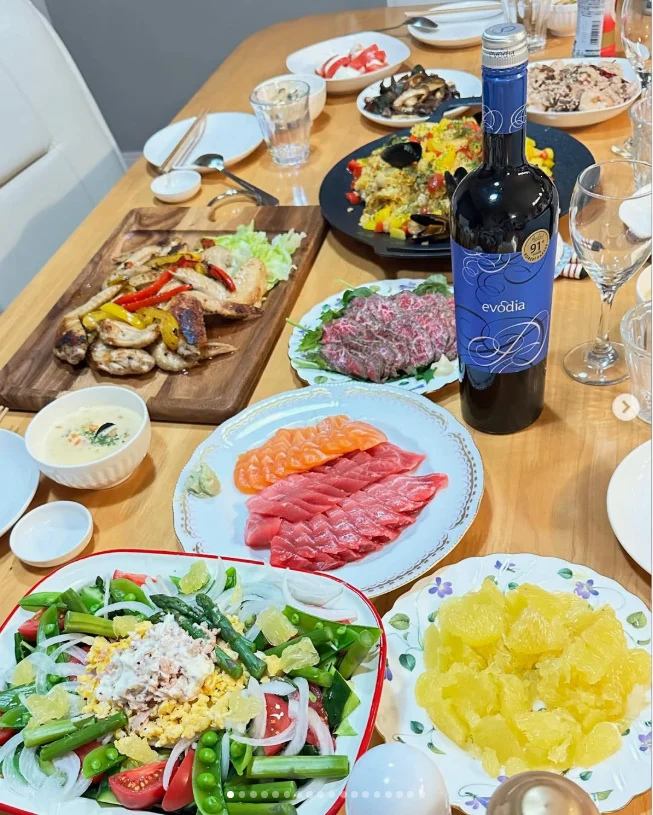
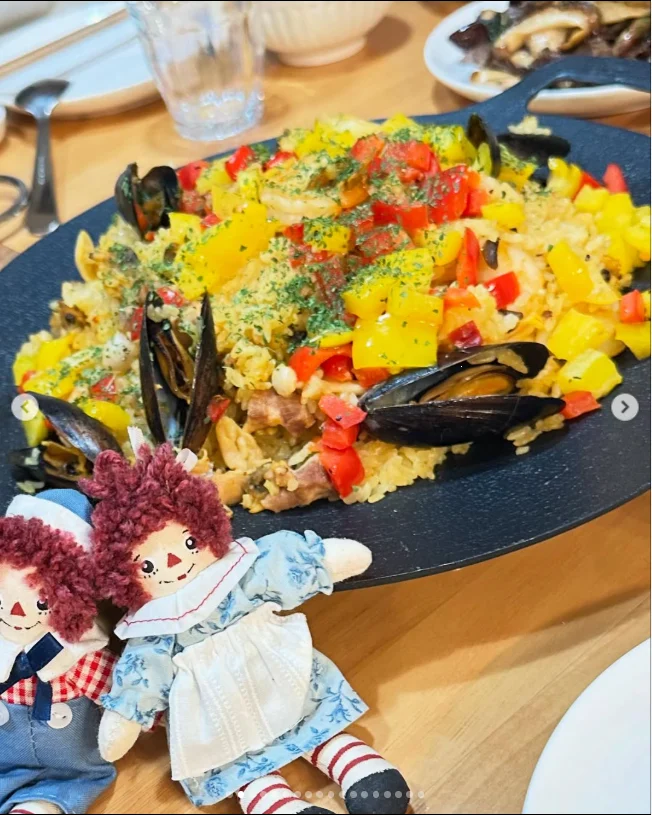
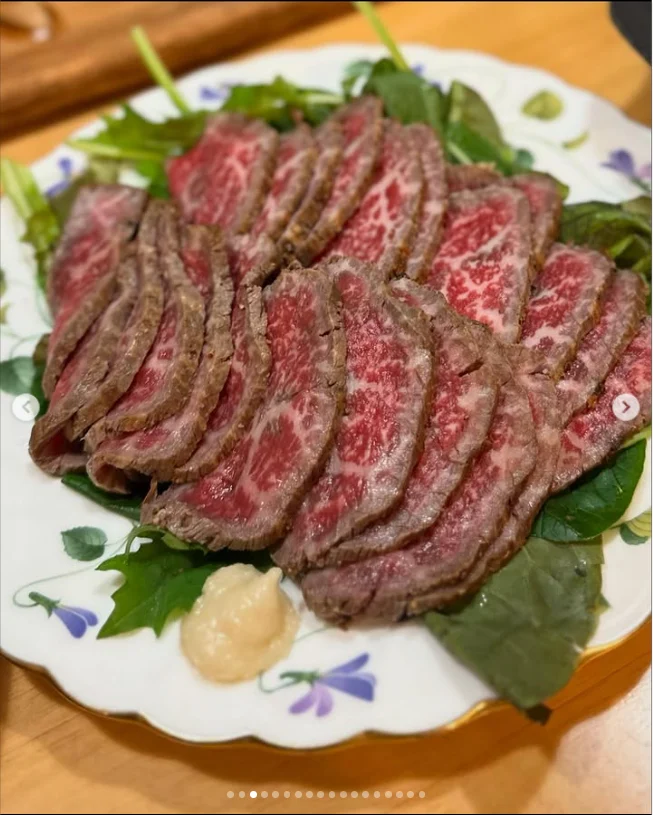
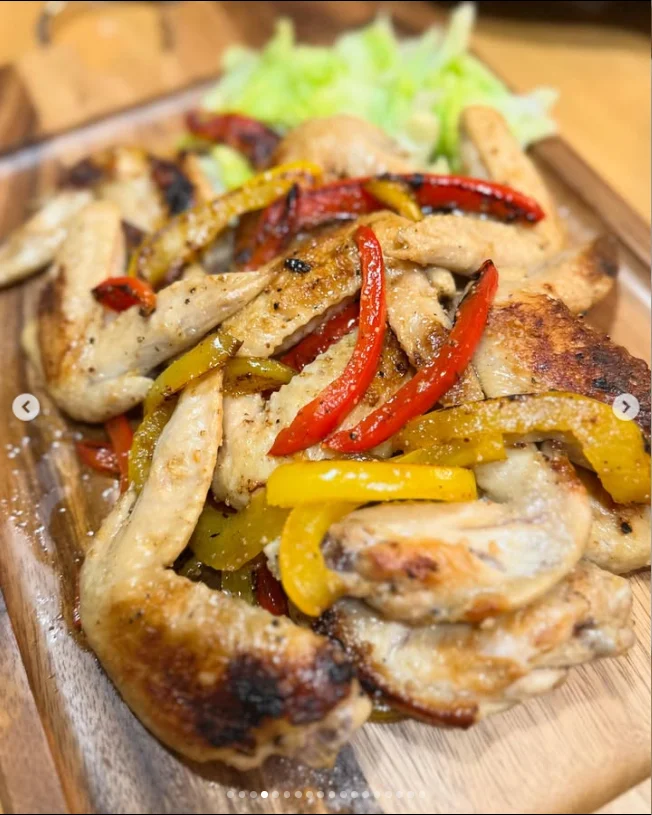
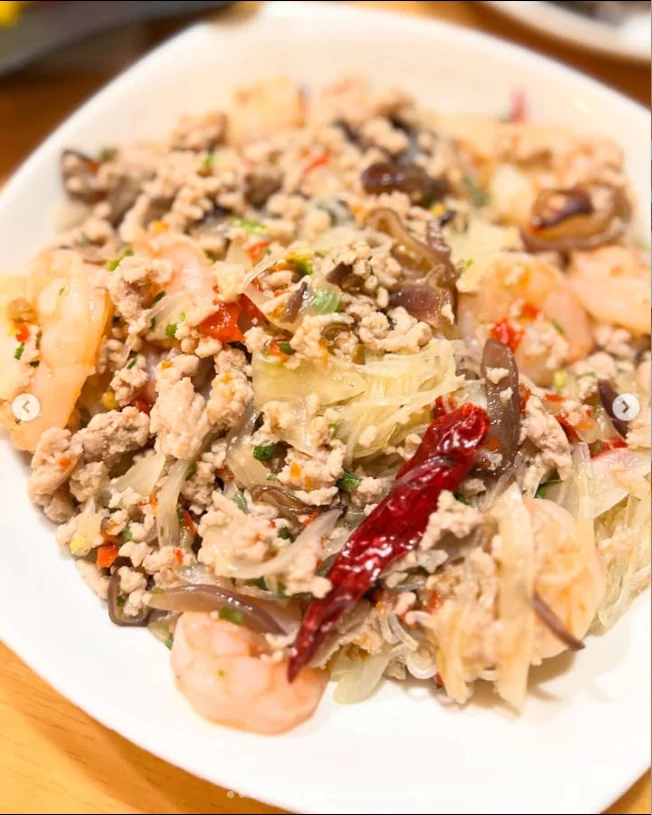
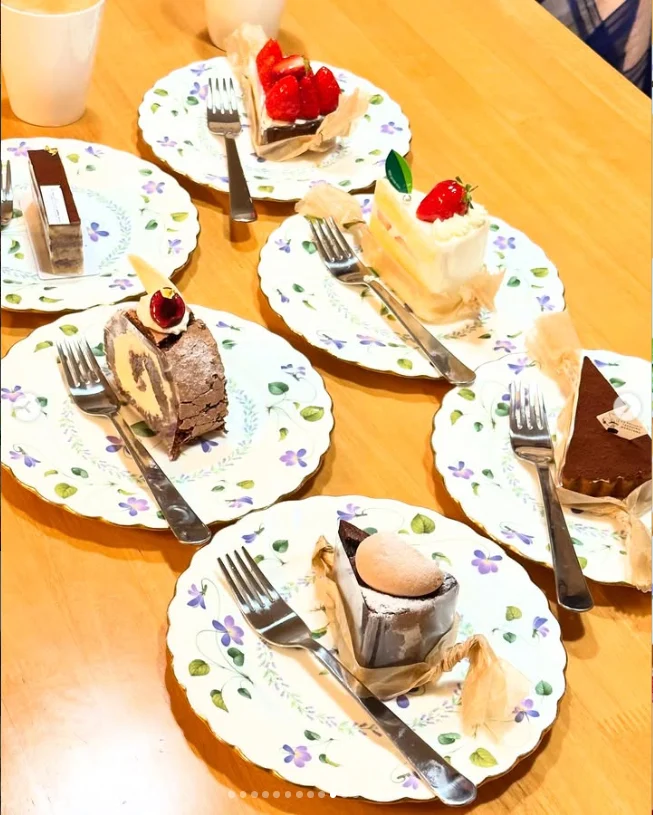
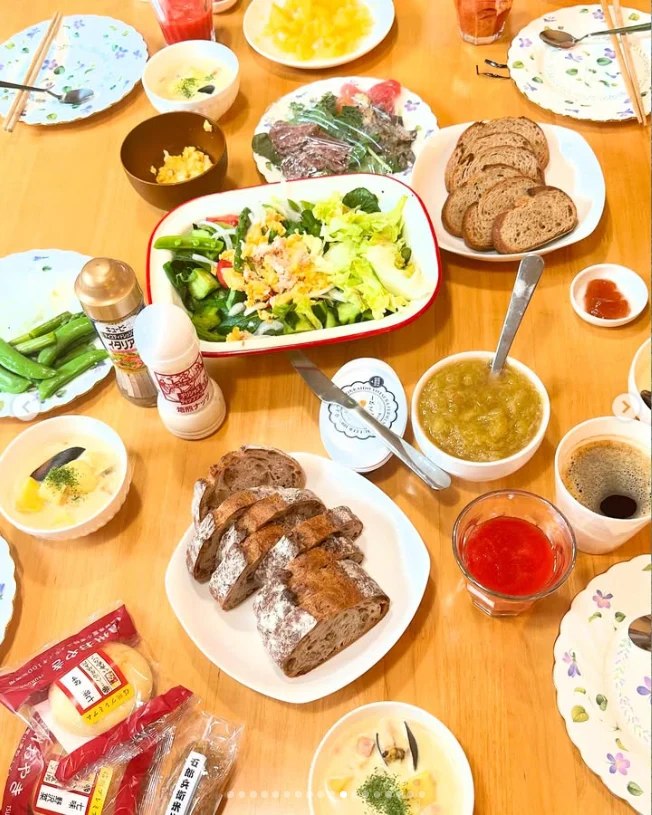
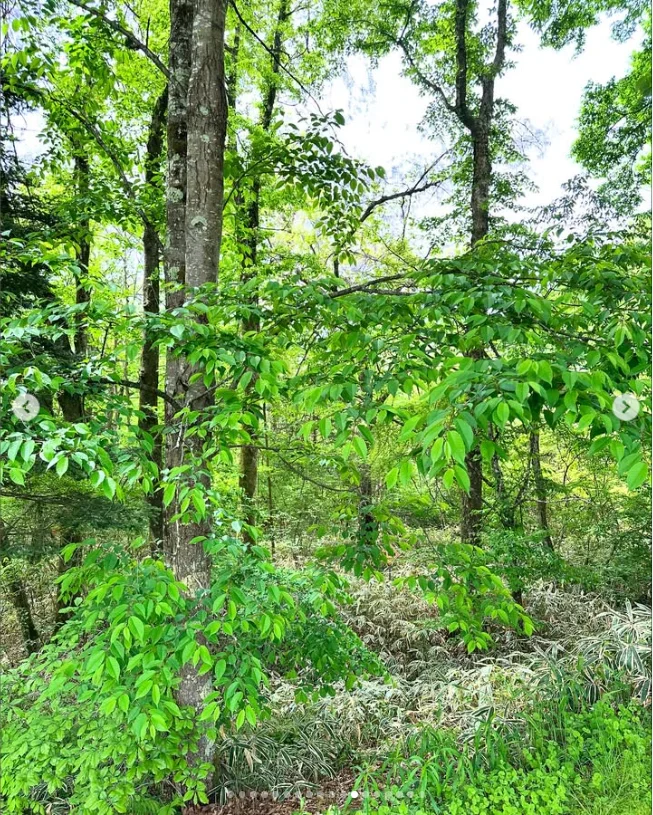
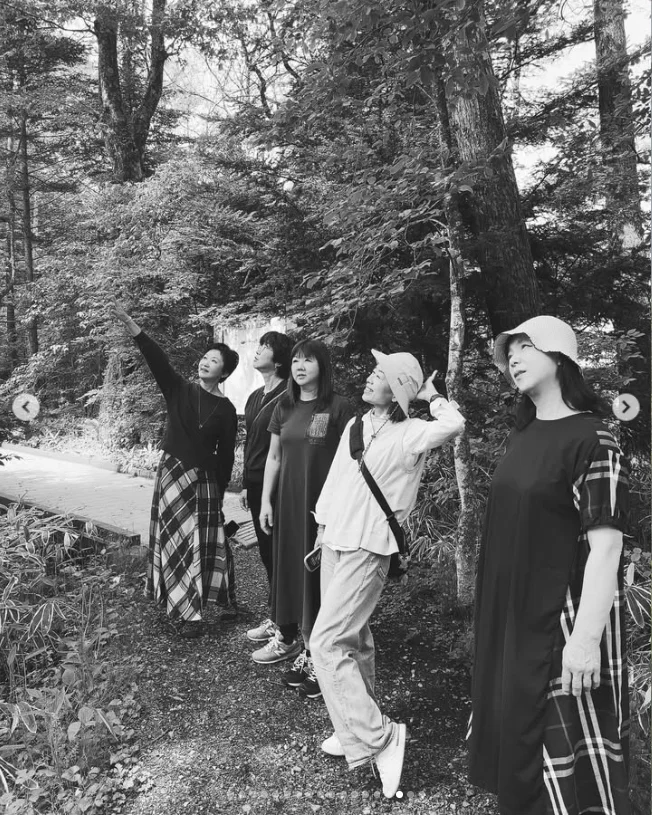
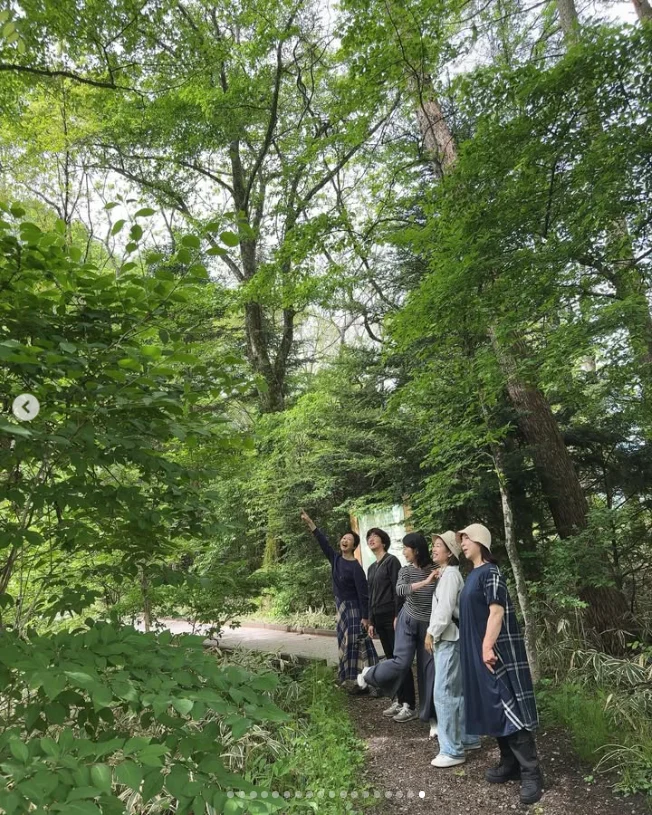
On a past villa trip in Karuizawa with former classmates, haruru.1002 hoped to cook less than on their previous visit. She still made more than planned, and there were plenty of leftovers the next morning. The useful starting point is the meals and people you need to cater for, rather than every dish you would enjoy making.
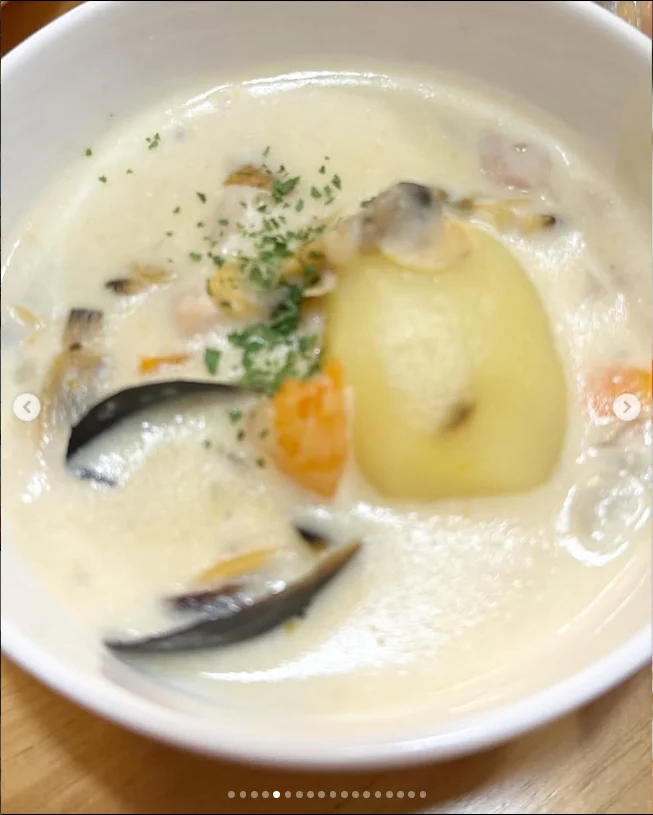
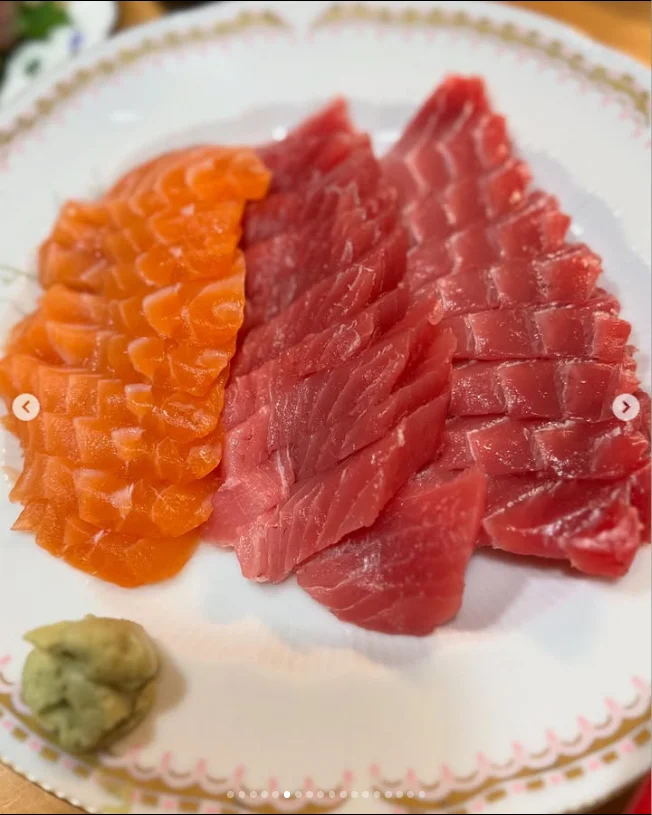
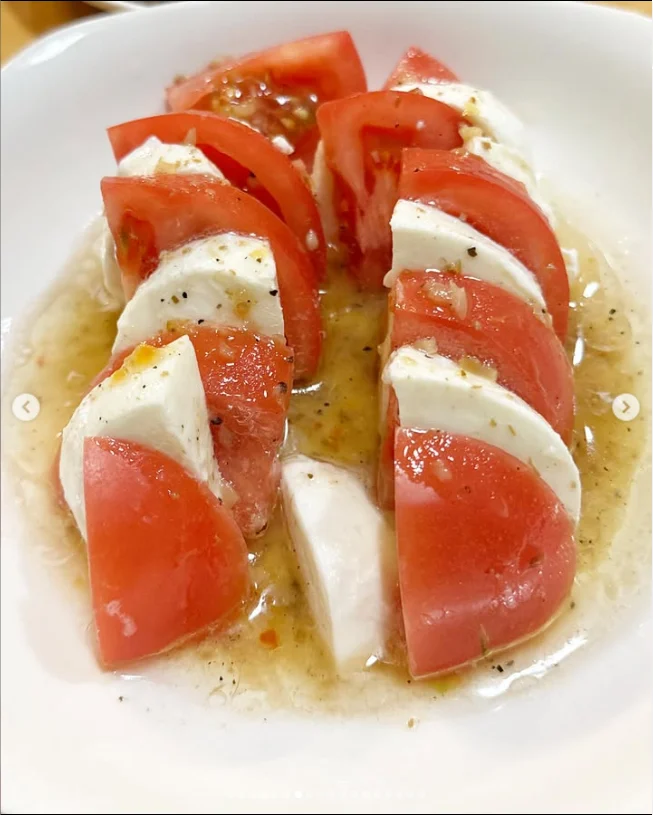
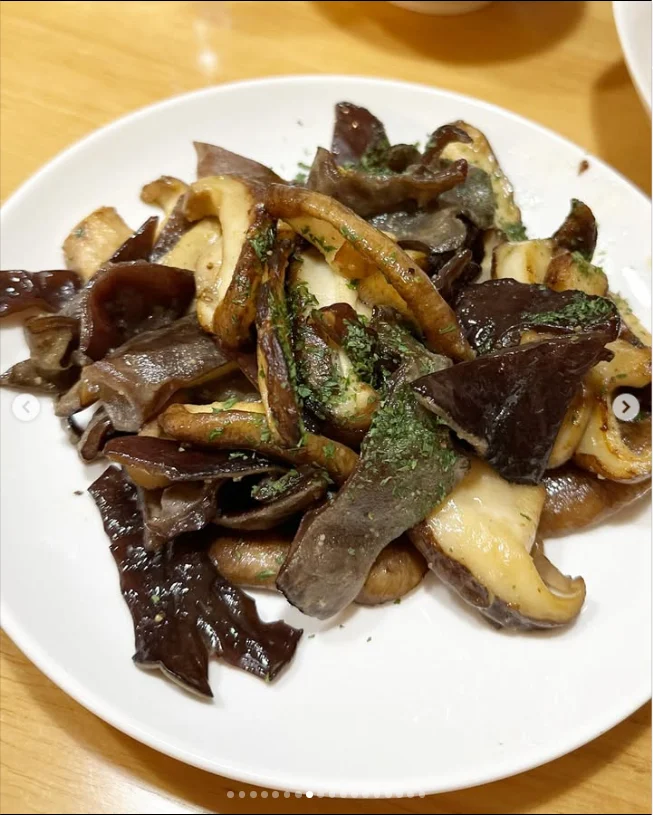
Let the confirmed facilities shape the menu
Ask the host what is available in your booked unit or site: cooking appliances, pots, knives, tableware and storage. Check what you may bring, where you may use it, and how cleaning and waste disposal work. A kitchen or a shared washing area on a listing is not a complete equipment list.
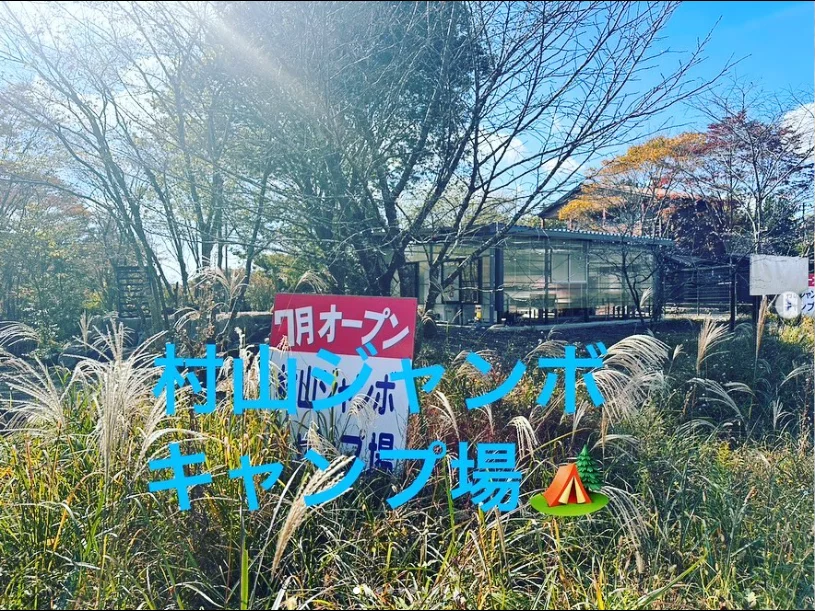
Murayama Jumbo’s official campsite page, checked on 4 October 2026, lists a cooking building for its Hiroba site with a no-fire condition. That is a specific facility example: it does not establish a rule for every site or explain which appliance you may use elsewhere. Ask about the exact site and cooking method you intend to book.
For accommodation covered by Japan’s private-lodging scheme, the Japan Tourism Agency describes explanations of equipment use and living arrangements. Use that as a reason to obtain the property’s instructions; villas, bungalows and campsites may operate under different arrangements.
Decide how much of the stay to spend cooking
List the work you expect to do after arriving: unpacking, preparation, cooking and washing up. Agree who will do each part, then simplify the menu if it would use the time you hoped to spend walking, talking or relaxing.
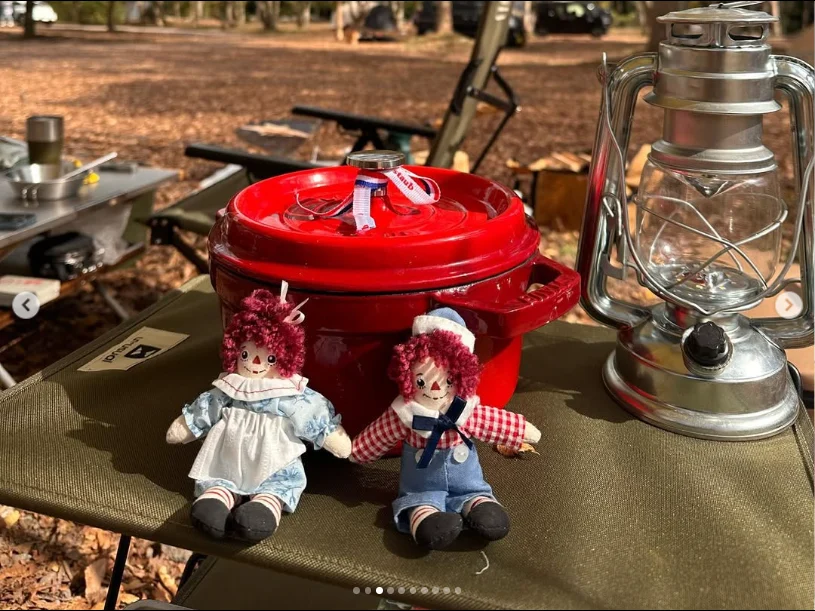
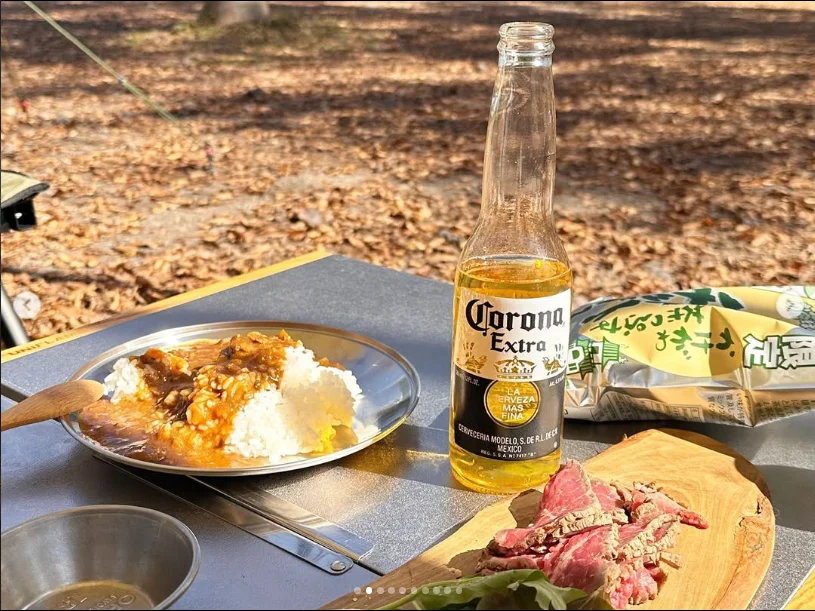
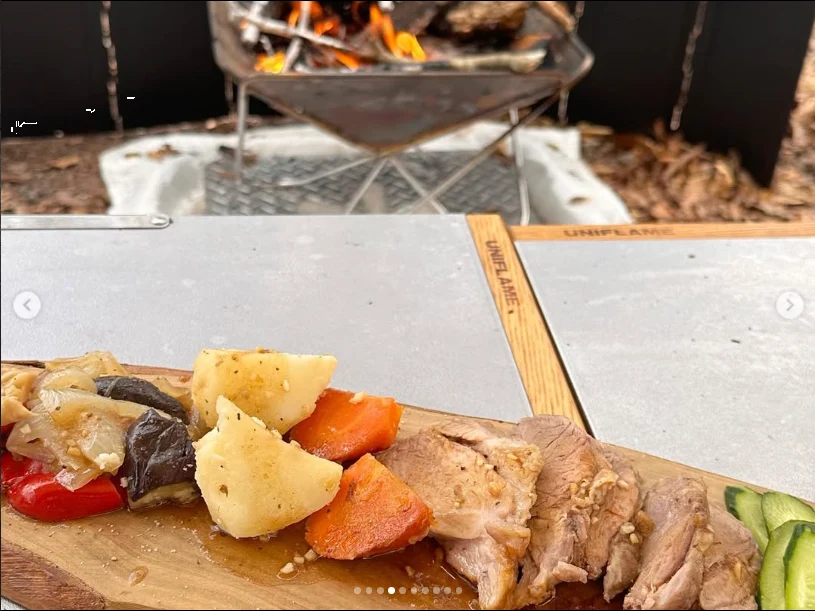
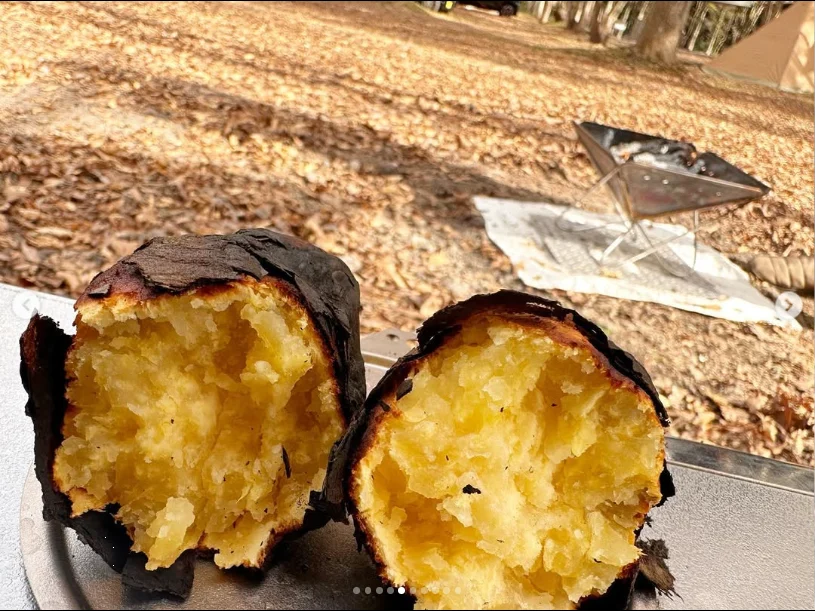
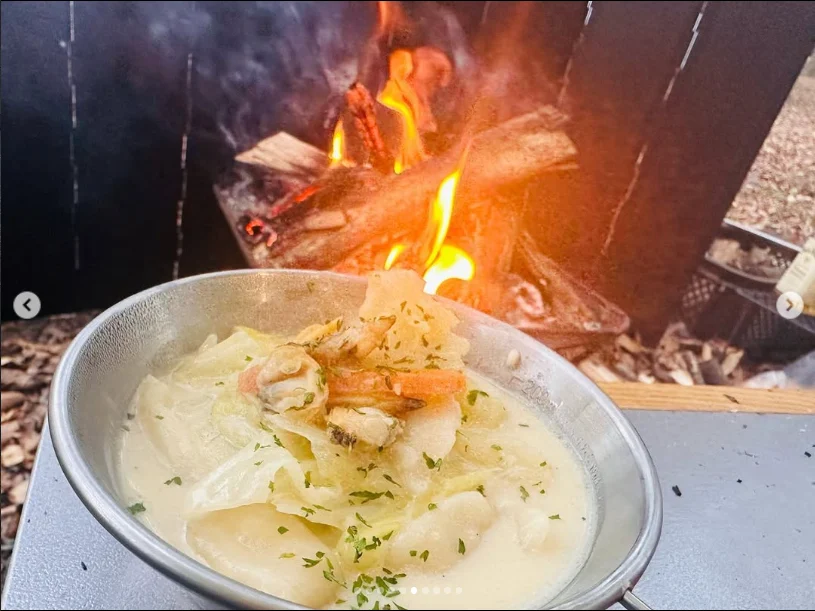
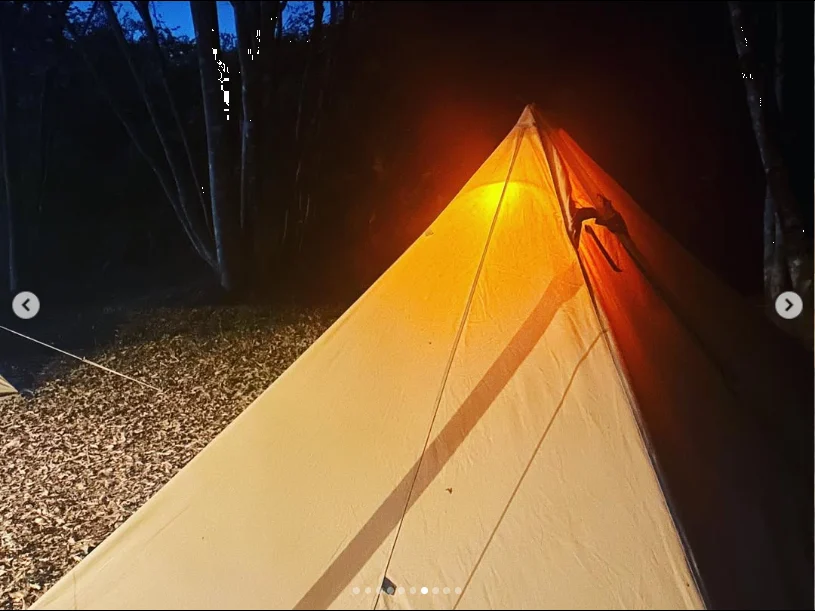
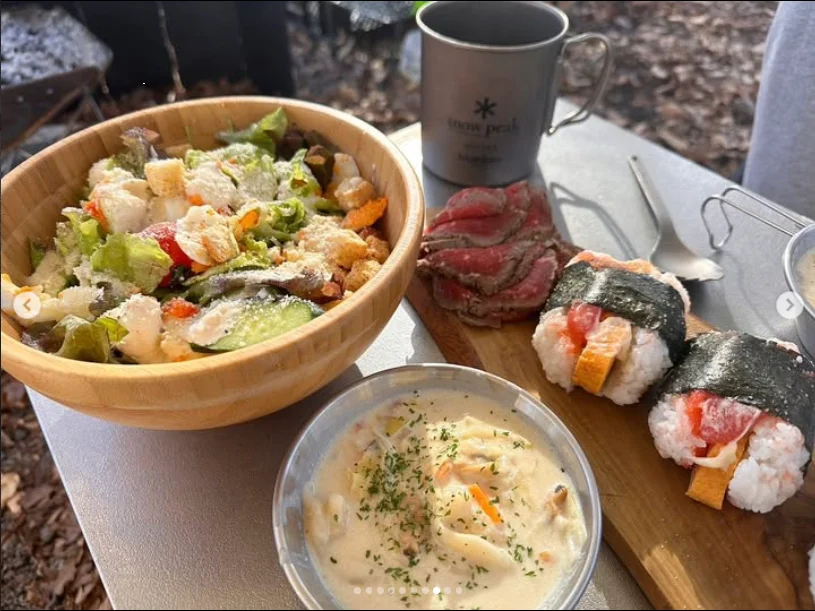
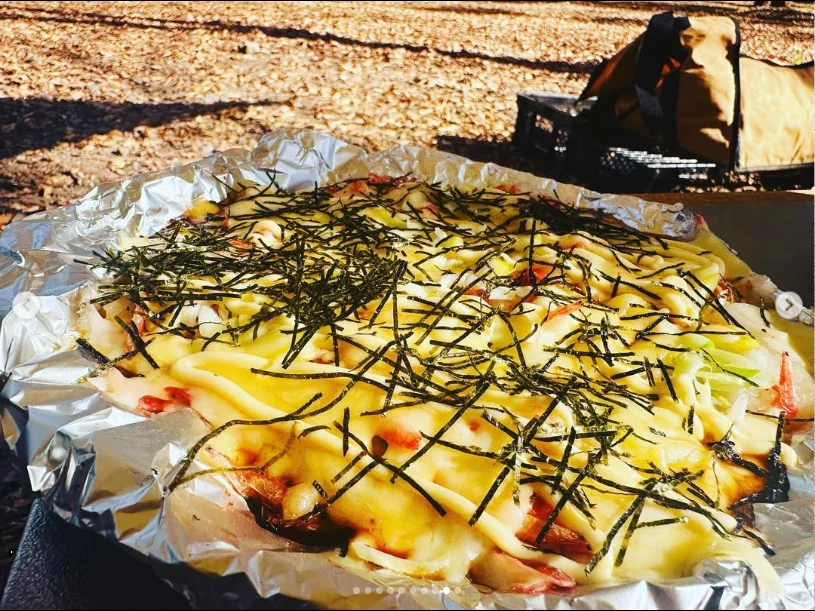
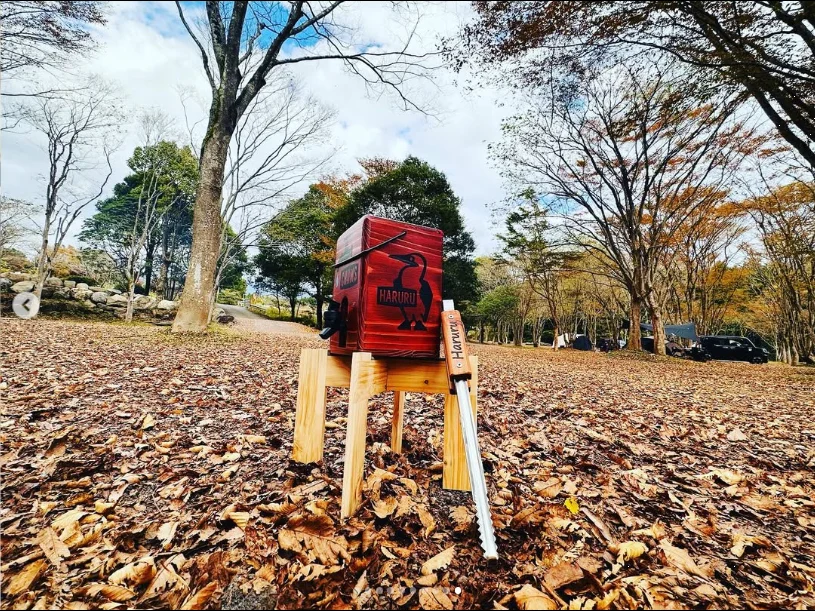
On a separate trip to Murayama Jumbo, haruru.1002 prepared some dishes at home because she wanted to spend less time cooking at the campsite. She also described homemade noodles sticking together and changing how she served them. Her account is a reminder that preparation can still need adjustment.
Before anyone goes shopping
| Write down | The decision it helps you make |
|---|---|
| Meals and number of people | Which meals you need to provide |
| Equipment and permitted use confirmed by the host | Which dishes and tools fit the stay |
| Tasks after arrival and who will do them | How much cooking fits the time available |
| One combined shopping list with assigned buyers | Which purchases overlap or are still missing |
| A simpler option for an unresolved facility | What to change before buying ingredients |
Sources for this account
Based on haruru.1002’s separate Karuizawa and Murayama Jumbo accounts, recorded in posts dated 19 May 2025 and 7 November 2022. Official facility examples checked on 4 October 2026.